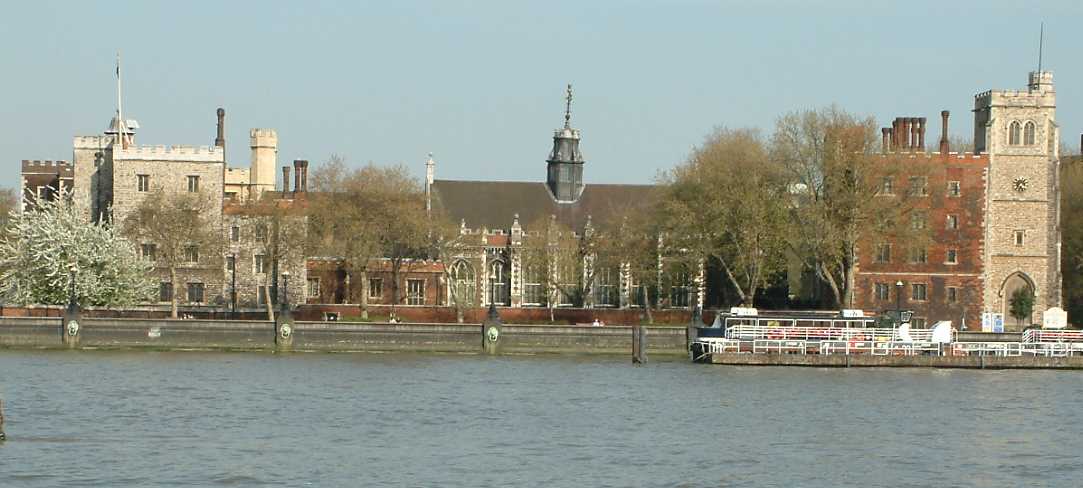
Lambeth Palace: London's Enduring Historical Heartbeat
When the question of the "Oldest Surviving Official Residence In London" arises, whether in a challenging crossword puzzle or a historical discussion, one name consistently emerges as the definitive answer: Lambeth Palace. This venerable institution, nestled on the south bank of the River Thames, isn't just an ancient building; it's a living testament to centuries of British history, religious leadership, and architectural evolution. It serves as the official London home of the Archbishop of Canterbury, a role it has fulfilled for over 800 years, solidifying its unique claim as the capital's most ancient official dwelling.
The mere mention of its longevity immediately sets Lambeth Palace apart. While London boasts many historical sites, few can claim continuous official residency for such an extended period. This article delves into what makes Lambeth Palace truly special, exploring its rich past, architectural wonders, and its ongoing significance in the modern world. For those intrigued by the historical puzzles, Lambeth Palace often features as the solution, as highlighted in clues like "The oldest surviving official residence in London" found in various crosswords. You can uncover more about how this specific clue is often solved by reading
Solving the Oldest London Official Residence Crossword Clue.
A Legacy Unveiled: Why Lambeth Palace Holds the Title
Lambeth Palace's claim to being the oldest surviving official residence in London is rooted deeply in its continuous occupation by the Archbishops of Canterbury since the 12th century. The land was acquired by Archbishop Baldwin of Forde in 1197, and subsequent Archbishops quickly established it as their primary London base. This unbroken chain of residency is crucial to its historical standing, distinguishing it from other ancient London structures that may have served different purposes or seen periods of disuse or drastic repurposing.
Unlike the Tower of London, which is older but served as a fortress, prison, and royal palace (though not continuously as *the* primary official residence for a single office holder), Lambeth Palace has steadfastly remained the spiritual and administrative heart for the leader of the Church of England. This longevity speaks volumes about its strategic importance, resilience through tumultuous times, and its enduring role in the nation's spiritual and political landscape. It has witnessed coronations, rebellions, reformations, and global conflicts, always remaining a beacon of stability for the Church. The palace's venerable walls have absorbed countless historical dialogues, decisions, and disputes, making it a truly unique historical artefact within the bustling modern metropolis.
The Archbishop's Enduring Home: Role and Significance Today
Today, Lambeth Palace remains a vibrant and active residence, office, and centre for the global Anglican Communion. The Archbishop of Canterbury, currently Justin Welby, lives and works here, performing duties that range from pastoral care to international diplomacy. It is a place of worship, study, and hospitality, hosting countless meetings, conferences, and visitors from around the world. The palace's historical context is inextricably linked with its contemporary function, providing a powerful backdrop for addressing modern challenges.
Maintaining such an ancient and historically significant site in the 21st century presents unique challenges. The Archbishops and their staff are custodians of centuries of heritage, balancing preservation with the demands of a modern working environment. This involves continuous restoration work, careful management of its precious collections, and ensuring the palace remains relevant and accessible. Its role extends beyond the purely religious; it acts as a symbol of continuity, faith, and service in a rapidly changing world. It’s a place where history isn't just displayed but actively lived and made, making it much more than just a historical relic.
Architectural Marvels and Hidden Histories
The architecture of Lambeth Palace is a fascinating tapestry woven over centuries, showcasing diverse styles and bearing the marks of different Archbishops' visions and historical periods. Walking through its grounds is like stepping through a living history book, with each building telling its own story.
*
Morton's Tower (1495): This impressive brick gatehouse, built by Archbishop John Morton, is the grand entrance to the palace. Its formidable appearance belies the warmth of the hospitality within and serves as a striking example of Tudor brickwork.
*
The Guard Room (15th Century): One of the oldest surviving parts, this large hall with its magnificent timber roof traditionally housed the Archbishop's personal guard. Today, it's used for important receptions and meetings.
*
The Chapel (consecrated 1220): Arguably the spiritual heart of the palace and its most ancient complete structure. It was severely damaged during the English Civil War but later restored. Many Archbishops have been consecrated here, and it remains a place of daily worship.
*
The Lollards' Tower (late 14th/early 15th Century): Perhaps the most infamous part, this tower gained its name from its use as a prison for religious dissenters during the 15th and 16th centuries. Its small, dark rooms and inscribed walls offer a stark reminder of the often-harsh religious conflicts of the past.
*
The Great Hall (rebuilt 1660-1663): After much of the palace was destroyed during the Civil War, Archbishop William Juxon rebuilt the Great Hall in a Gothic style. It now houses the invaluable Lambeth Palace Library, one of the most significant religious libraries in the country, containing manuscripts, archives, and printed books spanning centuries.
Each brick and beam contributes to the narrative of Lambeth Palace, demonstrating architectural resilience and adaptation. The blending of medieval, Tudor, and later architectural elements creates a unique complex that reflects the evolving tastes and practical needs of its occupants across the ages. This architectural depth is another reason why it holds its place as London's premier ancient official residence.
Visiting Lambeth Palace: Planning Your Historical Journey
While Lambeth Palace is a working residence and office, it is also a site of immense public interest, and efforts are made to open its doors to visitors whenever possible. Experiencing the palace firsthand provides a profound connection to history and a deeper understanding of its unique position.
*
Guided Tours: The most common way to explore the palace is through pre-booked guided tours. These tours often provide access to key historical rooms, including the Chapel, Great Hall, Guard Room, and the Lollards' Tower, offering expert commentary on their history and significance. Check the official Lambeth Palace website for tour schedules and booking information, as availability can vary.
*
Lambeth Palace Library: For researchers and academics, the Lambeth Palace Library is a treasure trove of historical documents and an essential resource. Access is typically by appointment, allowing scholars to delve into its vast collections.
*
Gardens and Events: The beautiful 10-acre gardens are occasionally open to the public, especially during special events like the National Garden Scheme or specific open days. These offer a tranquil escape and stunning views of the palace and its surroundings.
*
Online Resources: For those unable to visit in person, the Lambeth Palace website offers virtual tours, historical information, and insights into the Archbishop's work.
Planning your visit in advance is crucial, as public access is regulated to ensure the smooth operation of the palace as a residence and administrative hub. Immersing yourself in the history of this remarkable site offers a tangible link to a past that shaped not only London but the nation itself. The ongoing interest in this magnificent site is clear, as people continue to seek out information about its identity as the longest-standing official residence, often stemming from popular puzzles like the "Times Puzzle Solved: London's Oldest Official Residence" clue, which you can read more about
Times Puzzle Solved: London's Oldest Official Residence.
Conclusion: The Enduring Grandeur of Lambeth Palace
Lambeth Palace stands as a truly remarkable landmark, a cornerstone of London's historical narrative and an active centre of modern life. Its distinction as the "Oldest Surviving Official Residence In London" is not merely a historical curiosity but a testament to its continuous purpose, its architectural resilience, and its profound impact on British society and the global Church. From its medieval foundations to its role in contemporary dialogue, the palace embodies centuries of spiritual leadership, political intrigue, and cultural evolution. It invites us to look beyond its ancient walls and appreciate the enduring legacy of a place where history is not just preserved, but perpetually unfolds.